
Project information
| Project: | Port of Lisboa |
| Location: | Lisboa, Portugal |
| Application: | Ports & Terminals |
| Year of completion: | 2035 (planned) |
| Delivery period: | 10/2025 - 12/2025 |
| Concrete: | ??? |
| Total volume of concrete: | ??? |
| Fibre type: | DE 60/0.8 M |
| Fibre dosage: | ??? |
| CO₂ savings: | 294 t CO₂¹ |
¹ KrampeHarex GWP 257 kg CO₂-Eq. compared to steel fibres from other manufacturers with a GWP of 615-2,980 kg CO₂-Eq.
CO₂ savings:
450 t
KrampeHarex GWP 257 kg CO₂-Eq. compared to steel fibers from other manufacturers with a GWP of 615-2,980 kg CO₂-Eq.
This corresponds to approximately 2,801 car trips from Lisboa to Porto.
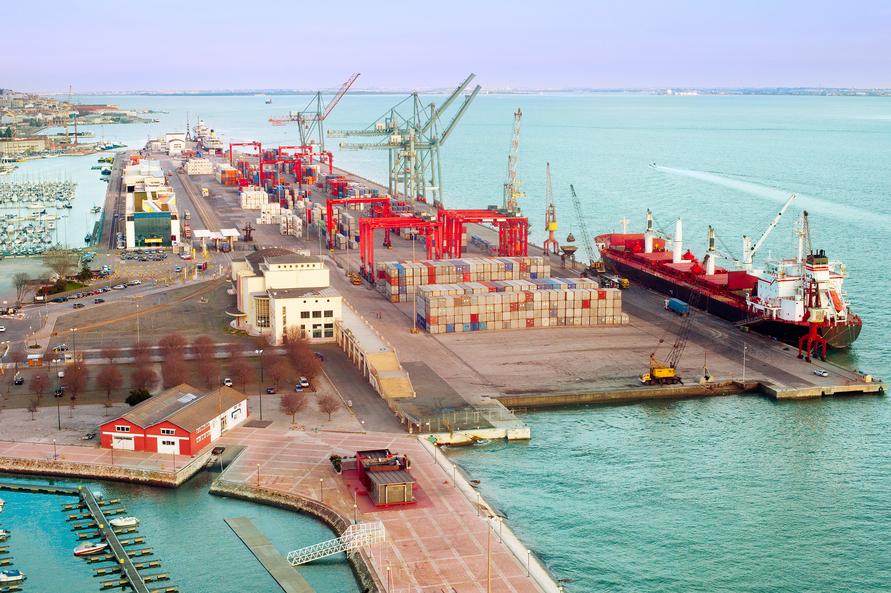
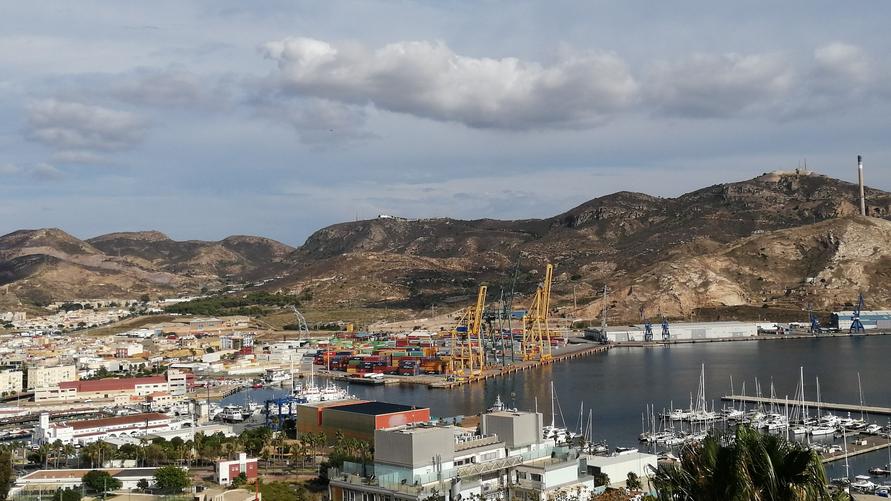
The Alcântara Container Terminal is being fully modernised and expanded as part of a long‑term development programme running until 2035. The project includes a complete reorganisation of the container yard, new handling areas and optimised logistics flows to significantly increase efficiency and capacity.
The terminal represents a classic heavy‑duty port environment: RTG cranes, reach stackers and intensive truck traffic place extreme dynamic loads on the concrete. High stacking densities across multiple levels and continuous surface utilisation further amplify the mechanical demands on the pavement.
Adding to the complexity, the terminal operates in a maritime environment with elevated requirements for durability, robustness and resistance to harsh coastal conditions. The upgraded areas are designed for combined use – container storage, transport and high-frequency handling – and must perform reliably under constant operational pressure. All work is integrated into the existing port layout and executed during ongoing terminal operations, making the project logistically demanding.
This redevelopment sets the foundation for a more efficient, higher‑capacity and future‑ready container terminal that meets the long-term needs of the Port of Lisbon.
SFRC for heavy‑duty port pavements
Key performance metrics (according to ROM 4.1‑18)
To guarantee structural integrity, our port solutions adhere to the following technical specifications:
• Design load capacity: Up to 25 t/m² for heavy-duty operational and storage pavements.
• Concrete grade: High-strength HA-40 (C40/50) concrete.
• Fibre dosage: Typically 35 kg/m³ for maximum performance in high-stress environments.
• Tensile strength: High-performance fibers with a nominal tensile strength of 1,150 N/mm².
• Pavement thickness: Optimized structural design with a thickness of 250 mm supporting extreme loads.
• Foundation stability: Support on subbases with compressibility values (Ev2) ranging between 180 and 229 MPa.
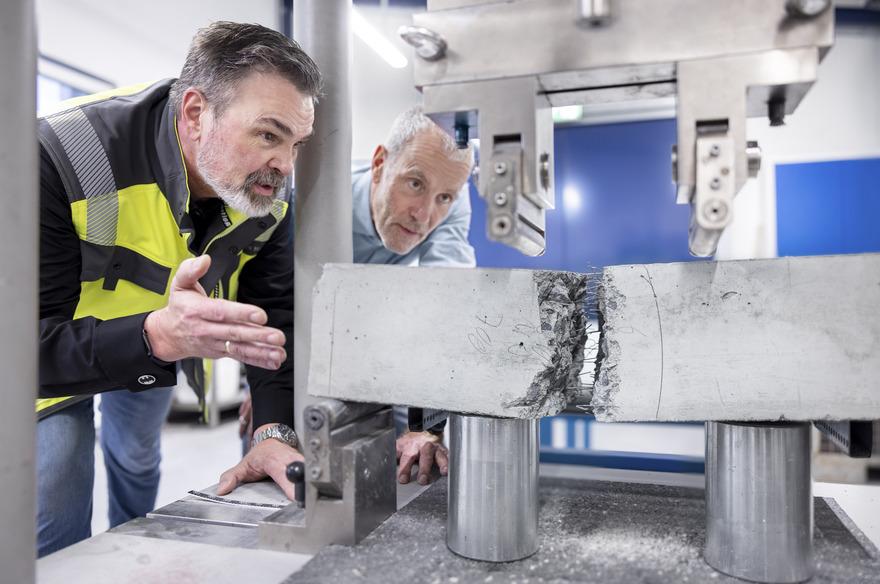
In modern port construction, traditional reinforcement methods are being replaced by high-performance steel fibre reinforced concrete (SFRC) to meet the extreme demands of global logistics.
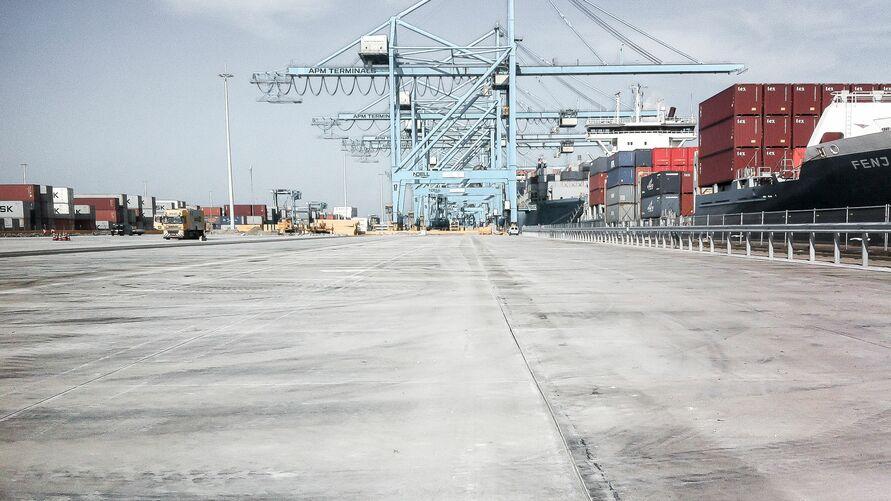
Our solutions are specifically designed for the structural upgrade and renewal of port pavements, ensuring long-term functionality even under deteriorating conditions caused by continuous heavy usage. These include material stockpiling areas, high-load operational zones and heavy traffic hubs.
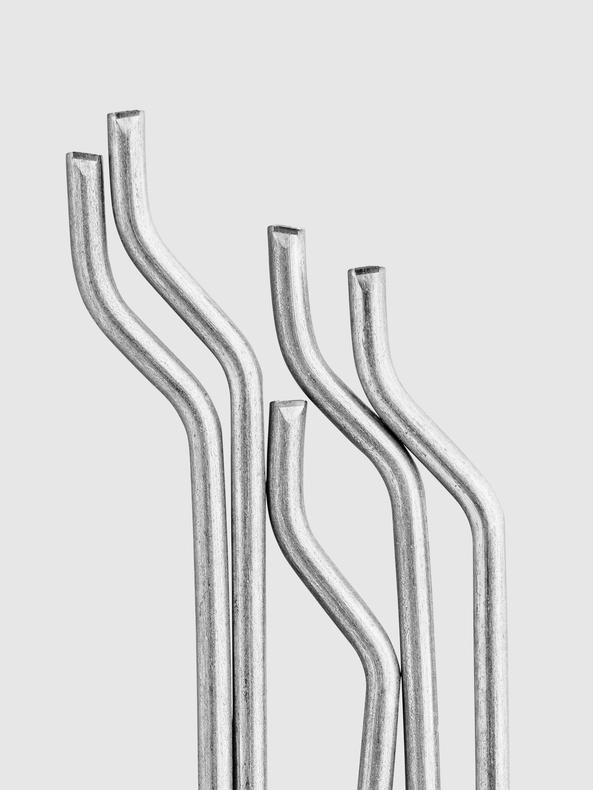
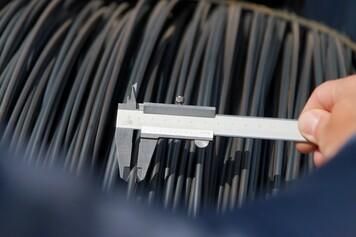
The reinforcement is provided by our DE 60/0.8 M – a high‑performance steel fibre specifically designed for heavy‑duty port and logistics pavements. Its high aspect ratio ensures strong crack control and reliable load transfer under extreme dynamic loads. For this project, the customer used our KH300 fibre‑blowing unit to guarantee clean dosing and consistent mixing. Due to the fibre geometry, mechanical dosing and blowing are recommended to avoid balling and to achieve a uniform three‑dimensional fibre distribution. In combination with our KrampeHarexPlus support package, this setup ensures stable and repeatable SFRC quality – especially valuable for customers with limited experience in fibre‑reinforced concrete.
But above all, this fibre sets new benchmarks in environmental protection. Even the raw material is made from recycled steel before it finds its way by water and rail from European sources to our production facilities in Germany. There, the wire is drawn, cut and provided with the typical hooked end using 100% green electricity and specially generated PV power from our roofs.
The ecological footprint of the fibre is therefore so small that it is without equal on the market. This responsibility towards the environment is firmly established in our DNA. And has been since 1982.
Further references from
the ports & terminals sector
from a single source
Dosing and conveying technology
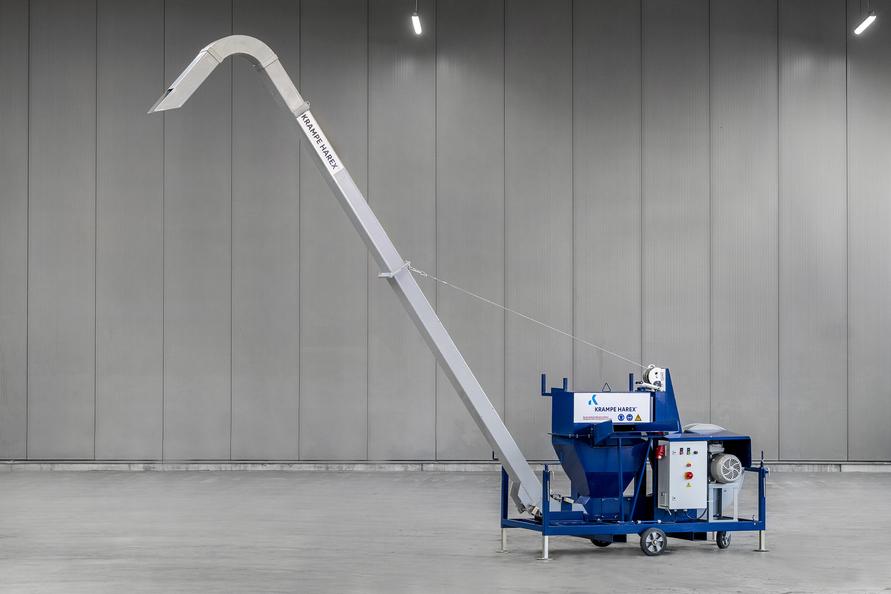
For the Alcântara Terminal project in Lisbon, KrampeHarex supplied both the DE 60/0.8 M high‑performance steel fibres and the KH 300 blowing unit. With a dosing capacity of up to 80 kg/min, the KH 300 conveys each fibre individually into the fresh concrete via an air stream.
This prevents balling, ensures problem‑free pumpability and creates a uniform 3D fibre distribution – ideal for large pours and for customers with limited SFRC experience. Supported by our KrampeHarexPlus service package, the dosing settings were optimised on site to deliver consistent and reliable fibre‑reinforced concrete quality.
The KrampeHarexPlus difference
Our way of de‑risking change
To ensure a smooth and technically reliable execution, the project was supported by KrampeHarexPlus. Engineering was carried out by SCE, the consulting engineer responsible for the design according to the DAfStb guideline for steel fibre reinforced concrete.
The KH300 fibre dosing unit was provided for the entire project, enabling direct fibre addition into the truck mixer despite the constraints at the concrete plant. Our BIU team supported the commissioning of the KH300 on site and supervised the trial pour, ensuring a stable and efficient implementation.
Do you have questions
about our fibres?
Contact us!

Your direct line
to KrampeHarex
Michael von Schroetter
Sales Fibres International
